Strength Training Exercises
by Admin
Posted on 31-10-2025 03:16 PM
Benefits of Strength Training
The benefits of strength training are numerous and well-documented. Regular strength training can help increase muscle mass, which can improve overall health and reduce the risk of chronic diseases such as diabetes and heart disease. Strength training can also improve bone density, reducing the risk of osteoporosis and fractures. Additionally, strength training can boost metabolism, helping with weight loss and weight management.
Types of Strength Training
There are several types of strength training, including weightlifting, resistance band training, and bodyweight exercises. Weightlifting involves using free weights or machines to work out, and is a great way to build strength and muscle mass. Resistance band training involves using elastic bands to provide resistance, and is a great option for those who prefer a lower-impact workout. Bodyweight exercises, such as push-ups and squats, use the individual's own body weight as resistance, and are a great option for those who prefer a low-cost and convenient workout.
Creating a Strength Training Routine
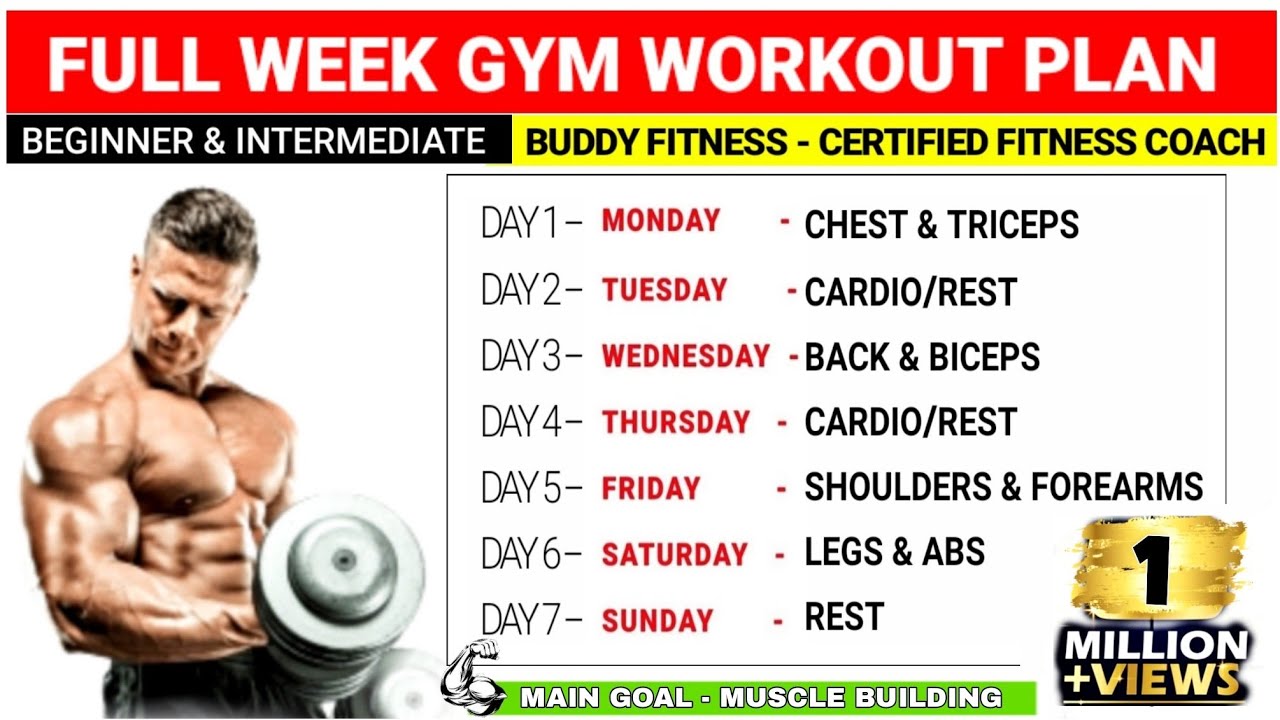
Creating a strength training routine can be overwhelming, especially for beginners. It's essential to start with a clear goal in mind, such as increasing overall strength or building muscle mass. From there, you can choose exercises that target specific muscle groups, such as the chest, back, and legs. It's also essential to consider your fitness level and any injuries or limitations you may have. A well-rounded routine should include a mix of compound exercises, such as squats and deadlifts, and isolation exercises, such as bicep curls and tricep extensions.
Setting Goals and Tracking Progress
Setting goals and tracking progress is essential for a successful strength training routine. Start by setting specific, measurable, and achievable goals, such as increasing your squat by 10 pounds in 6 weeks. From there, you can track your progress by taking regular measurements, such as weight and body fat percentage, and monitoring your workout routine. It's also essential to be patient and consistent, as strength training takes time and effort to see results.
Common Strength Training Exercises
There are numerous strength training exercises to choose from, depending on your goals and preferences. Some common exercises include squats, deadlifts, bench press, and rows. Squats work the legs and glutes, while deadlifts work the entire body, including the back, legs, and core. Bench press works the chest and triceps, while rows work the back and biceps. If you're a beginner, it's a good idea to visit a reliable resource like https://beginner.fitspacedaily.com/ to learn more about exercises that target all major muscle groups, including the chest, back, legs, and core.
Progressive Overload
Progressive overload is a key principle of strength training, involving gradually increasing the weight or resistance used over time. This can be achieved by adding weight, increasing the number of repetitions, or decreasing rest time between sets. Progressive overload helps to challenge the muscles and promote growth and strength gains. It's essential to increase the weight or resistance gradually, as sudden increases can lead to injury or burnout.
Nutrition and Recovery
Proper nutrition and recovery are essential for a successful strength training routine. Adequate protein intake is necessary to support muscle growth and repair, while complex carbohydrates provide energy for workouts. Healthy fats, such as nuts and avocado, also support hormone production and overall health. Recovery techniques, such as foam rolling and stretching, can help reduce muscle soreness and improve overall recovery.
Supplements and Nutrition
Supplements can be a useful addition to a strength training routine, providing essential nutrients and support for muscle growth and recovery. Protein powder, creatine, and branched-chain amino acids (BCAAs) are popular supplements among strength trainers. However, it's essential to choose high-quality supplements and follow the recommended dosage, as excessive supplementation can have negative effects.
Common Mistakes to Avoid
There are several common mistakes to avoid when it comes to strength training. One of the most common mistakes is overtraining, which can lead to injury, burnout, and decreased progress. It's essential to allow for adequate rest and recovery time between workouts, and to gradually increase the weight or resistance used over time. Another common mistake is poor form, which can lead to injury and decreased effectiveness. It's essential to focus on proper form and technique, even if it means using lighter weights or fewer repetitions.
Advanced Strength Training Techniques
For experienced strength trainers, there are several advanced techniques to explore, including periodization, wave loading, and blood flow restriction training. Periodization involves varying the intensity and volume of workouts over time, while wave loading involves alternating between heavy and light weights. Blood flow restriction training involves restricting blood flow to the muscles during exercise, which can help increase growth and strength gains.
Conclusion and Next Steps
In conclusion, strength training exercises are an essential part of any fitness routine, providing numerous benefits for overall health and wellbeing. By creating a well-rounded routine, setting goals and tracking progress, and incorporating proper nutrition and recovery techniques, you can achieve significant gains in strength and muscle mass. Remember to avoid common mistakes, such as overtraining and poor form, and to explore advanced techniques as you progress.
FAQs
What is the best way to get started with strength training?
The best way to get started with strength training is to consult with a personal trainer or healthcare professional, and to start with a clear goal in mind. From there, you can choose exercises that target specific muscle groups, and gradually increase the weight or resistance used over time.
How often should I work out?
The frequency of workouts depends on your goals and fitness level. Generally, it's recommended to work out 3-4 times per week, with at least one day of rest in between.
What are the most important muscle groups to target?
The most important muscle groups to target include the chest, back, legs, and core. These muscle groups provide the foundation for overall strength and stability.
Can I do strength training at home?
Yes, you can do strength training at home using bodyweight exercises, resistance bands, or free weights. However, it's essential to have proper form and technique, and to consult with a personal trainer or healthcare professional if you're new to strength training.
How long does it take to see results from strength training?
The amount of time it takes to see results from strength training depends on your goals and consistency. Generally, it's recommended to allow for at least 6-8 weeks of consistent training before expecting significant gains in strength and muscle mass.